
Author: hannahgribble

  • Europe

    Europe

    Planning a Europe trip is incredibly rewarding — but timing is everything. Unlike cruises or all-inclusive resorts, Europe travel requires coordinating multiple moving parts, which makes advance planning essential.

    For most travelers, the ideal planning window is 9–15 months in advance. This timeline allows access to centrally located hotels, better flight routing, and thoughtfully designed itineraries. Popular cities and regions — especially in summer — book far in advance, and waiting often means settling for less desirable locations or pacing.

    Early planning also allows for balance. Instead of trying to “see everything,” travelers can build itineraries that leave room for rest, discovery, and flexibility. It’s the difference between checking boxes and truly experiencing a destination.

    While last-minute Europe trips are possible, they often require compromises in comfort, cost, or logistics. When planned well, Europe travel feels seamless — and that seamlessness starts long before departure.

  • All Inclusives

    All Inclusives

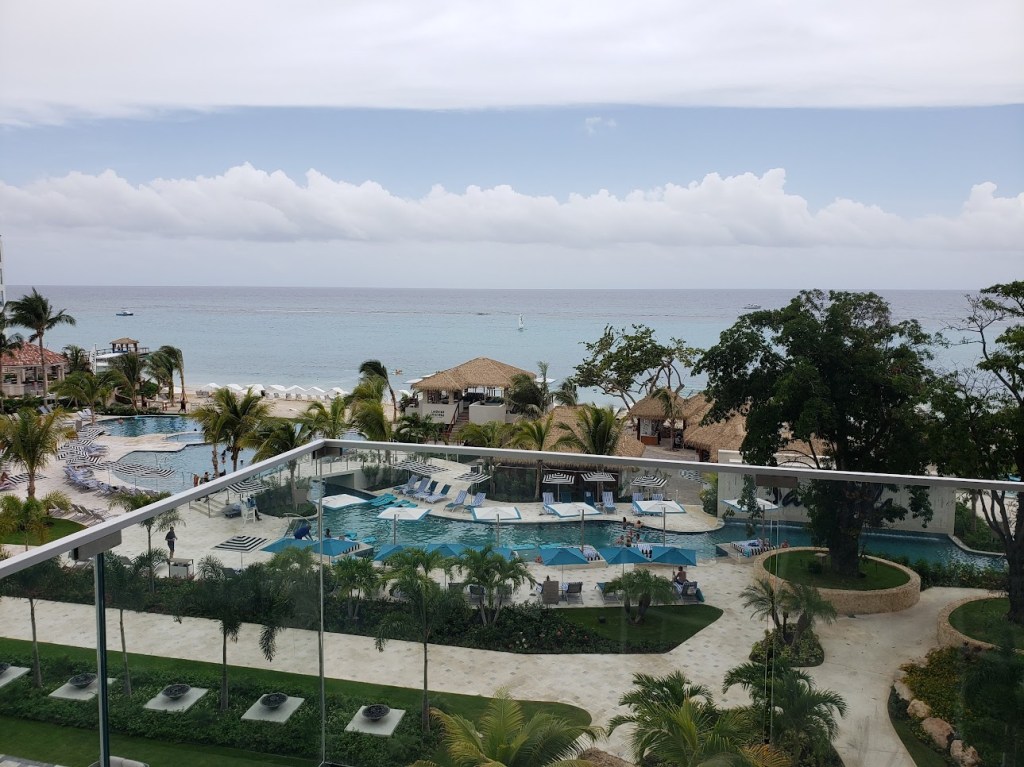
    All-inclusive resorts are designed to make vacation planning easier — but the term “all-inclusive” can be misleading if you don’t know what to look for. While these resorts generally include meals, snacks, drinks, and on-property activities, the level of inclusion varies widely by brand and resort tier.

    Most all-inclusive resorts cover buffet dining, casual restaurants, house alcohol, pools, beach access, and non-motorized water sports. However, many travelers are surprised to learn that specialty dining, spa services, excursions, motorized activities, premium alcohol, and even certain entertainment experiences may cost extra.

    This is where understanding your travel style becomes critical. If you envision daily spa treatments, gourmet dining, and top-shelf cocktails, a higher-end resort may actually provide better overall value. On the other hand, if your ideal vacation involves relaxing by the pool, enjoying casual meals, and unplugging, a simpler resort may be perfect.

    Another factor to consider is resort atmosphere. Family-friendly and adults-only resorts offer very different experiences — even at the same price point. Choosing based solely on cost can lead to mismatched expectations.

    The goal of an all-inclusive vacation isn’t just convenience — it’s value. When you understand what’s included and select a resort that aligns with how you relax, the experience feels effortless instead of confusing.

  • Are River Cruises for Old People?

    Are River Cruises for Old People?

    “Are river cruises for old people?” It’s a question many travelers quietly ask — and the answer is no. River cruising attracts travelers of all ages who share one thing in common: a love for immersive, culturally rich travel.

    River cruises differ significantly from ocean cruises. Ships are smaller, ports are centrally located, and itineraries focus on depth rather than volume. Instead of megaships and packed attractions, travelers enjoy guided city walks, local cuisine, wine tastings, and scenic sailing through historic regions.

    Because river ships dock right in town, travelers avoid long transfers and spend more time exploring. Many cruise lines now offer active excursions like biking, hiking, and kayaking, as well as family sailings during peak travel seasons.

    River cruises appeal to couples, professionals, and multigenerational families who want a relaxed but enriching experience. The atmosphere is calm, social, and focused on discovery rather than entertainment.

    The misconception about age likely comes from the slower pace — but slower doesn’t mean boring. It means intentional. River cruising is for travelers who value experiences over crowds and stories over schedules.