Author: hannahgribble

  • How Far in Advance Should You Plan a Walt Disney World Trip?

    How Far in Advance Should You Plan a Walt Disney World Trip?

    A Walt Disney World trip usually goes more smoothly when you start earlier than you think you need to.

    That does not mean you need to have every detail figured out a year in advance. It does mean Disney trips have a few planning windows that matter, and the earlier you start, the more options you usually have. Disney is already selling 2027 vacation packages, while dining reservations still open 60 days in advance. Guests staying at Disney Resort hotels can book dining for their full stay, up to 10 nights, starting at that 60-day mark.

    If you’re wondering when to actually start planning, my honest answer is this: start thinking about the trip 6 to 12 months ahead if you want the best choices, get serious by the 60-day mark, and know that shorter-notice trips can still work if you stay flexible.

    IF YOU WANT THE MOST OPTIONS, START 6 TO 12 MONTHS AHEAD

    Here’s the thing. The best time to start planning is usually earlier than the point when Disney opens dining reservations.

    If you know you want a certain season, specific resort, favorite room category, or a trip that lines up well with school breaks, starting 6 to 12 months ahead gives you more flexibility. Disney is already offering 2027 package terms and promoting vacation-package planning now, which tells you they expect many families to book well in advance.

    This is especially true for families traveling during busier times of year. You do not need to panic-book, but waiting too long can leave you choosing from what is left instead of what is actually best for your trip.

    That is usually the difference people feel later.

    THE 60-DAY MARK IS WHEN THE TRIP STARTS TO FEEL REAL

    Even if you book earlier, 60 days before arrival is still one of the biggest planning checkpoints.

    That is when Walt Disney World dining reservations open for all guests. Disney Resort hotel guests can book for their full stay, up to 10 nights, beginning 60 days before check-in, which gives them an advantage for harder-to-get reservations later in the trip.

    For a lot of people, this is when the trip shifts from “we booked it” to “now we actually need a plan.”

    If character dining, popular restaurants, or a more structured trip matters to you, I would not treat that 60-day window casually.

    LIGHTNING LANE HAS ITS OWN TIMELINE

    This is another reason earlier planning helps.

    Walt Disney World currently allows guests staying at Disney Resort hotels and certain other select hotels to purchase Lightning Lane passes up to 7 days in advance of their stay, for the length of the stay up to 14 days. Other guests can purchase up to 3 days in advance of their park visit.

    That means the trip has layers.

    You may book the vacation months ahead. Then dining matters at 60 days. Then Lightning Lane planning matters a week out if you are staying on-site, or three days out if you are not.

    This is why I always tell people that “when should I plan?” is not really one date. It is more of a timeline.

    WHAT YOU SHOULD BOOK EARLY

    If you want the smoothest planning process, these are usually the pieces I would handle earlier rather than later:

    • resort hotel
    • vacation package or tickets
    • trip dates
    • general park plan
    • any high-priority dining list

    Disney’s vacation planning pages already support building room-and-ticket packages for future trips, and Disney keeps separate planning tools for tickets, resorts, dining, and My Disney Experience because those pieces connect to each other.

    You do not need every restaurant and park hour memorized when you first book.

    But you do want a clear outline of what kind of trip you are trying to build.

    WHAT CAN WAIT UNTIL LATER

    Not everything needs to happen the day you decide to go.

    A lot of the smaller decisions can wait until you are closer, especially if you already have your resort and dates in place. Things like your exact dining lineup, daily park flow, and Lightning Lane strategy make more sense once you are inside the right booking windows. Disney’s own planning structure reflects that by separating trip booking from later dining and Lightning Lane steps.

    This is where people sometimes make Disney planning feel harder than it needs to be.

    You do not need to do everything at once. You just need to know what matters first.

    LAST-MINUTE DISNEY TRIPS CAN STILL WORK

    I do not think every Disney World trip needs a huge lead time.

    You can absolutely plan a shorter-notice trip and still have a great experience. The catch is that you usually need more flexibility. Your resort choices may be narrower. Some dining reservations may be gone. Your Lightning Lane options may not be as strong as someone who was ready right when their window opened. Disney’s reservation and Lightning Lane systems are built around those advance windows, so timing can affect choice.

    That does not make a last-minute trip a bad idea.

    It just means the planning style has to change. Instead of chasing the perfect version of the trip, you focus on building a good one with what is available.

    Honestly, that can still work really well.

    THE TIMELINE I USUALLY RECOMMEND

    If you want the clearest answer, this is the timeline I’d use as a starting point:

    6 to 12 months ahead
    Start planning if you want the best shot at your preferred dates, resort, and overall setup. Disney is already booking 2027 vacations, so planning this far out is completely normal.
    Around 60 days ahead
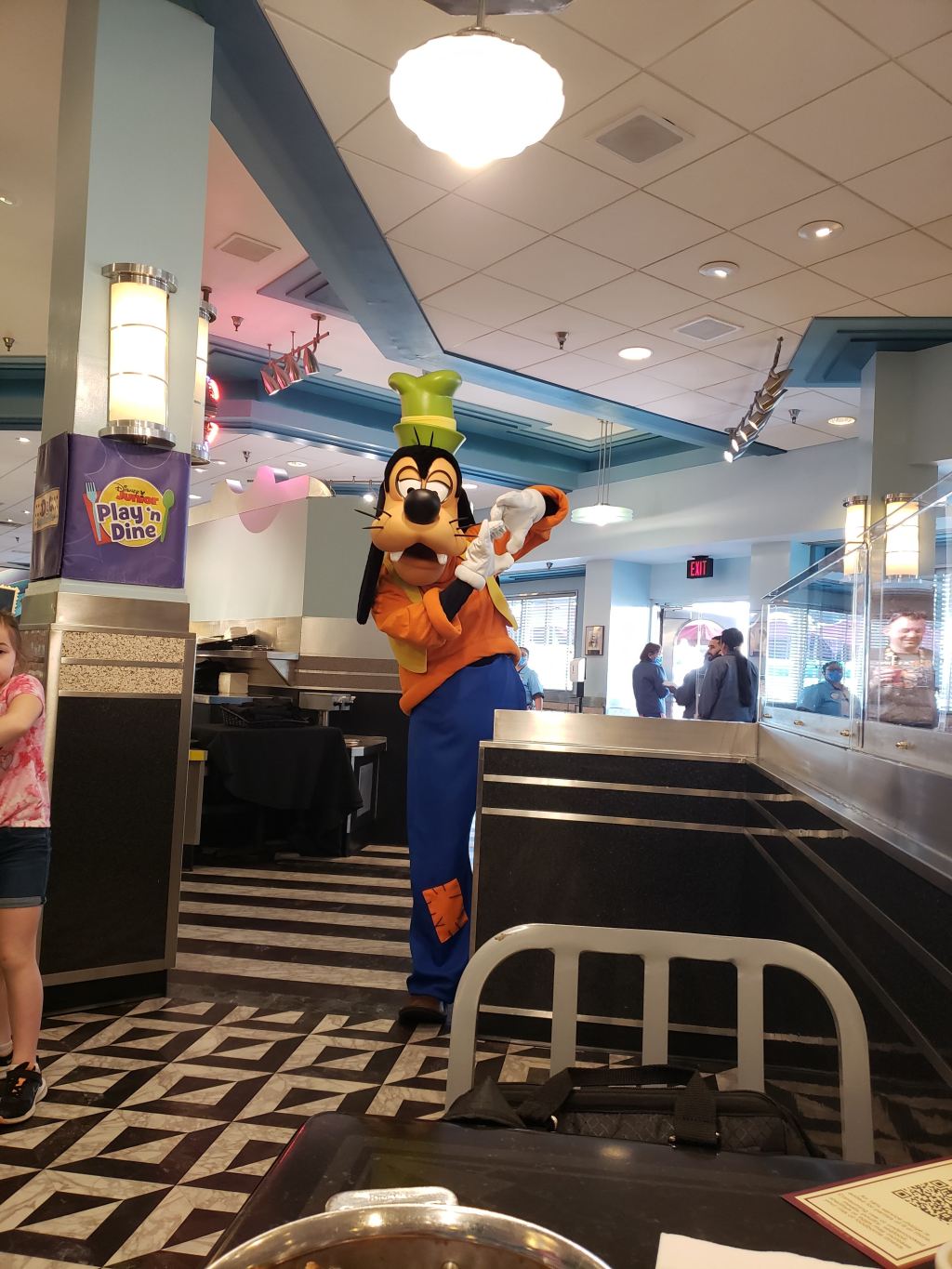
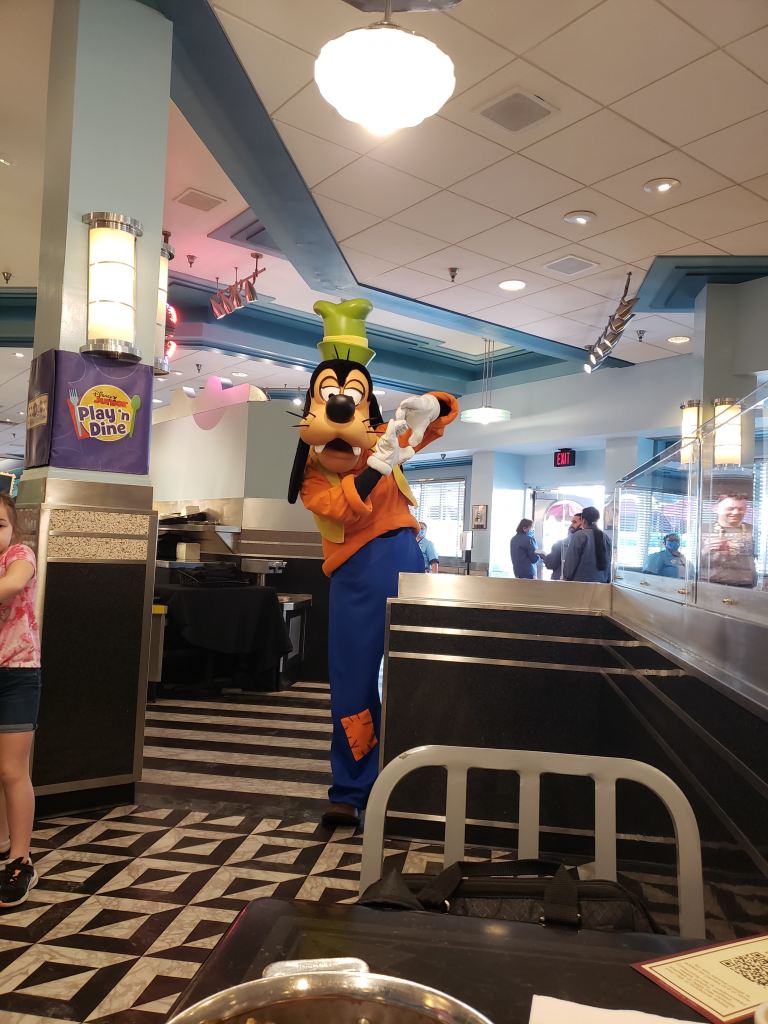
    Be ready for dining reservations. This is a major checkpoint, especially if you care about character meals or harder-to-get restaurants. Disney Resort hotel guests can book for their full stay at this point.

    7 days ahead if staying at a Disney Resort hotel
    This is when eligible guests can purchase Lightning Lane passes for their stay, up to 14 days.

    3 days ahead if staying off-site
    This is when other guests can purchase Lightning Lane passes for their park visit.

    That is the version I think keeps Disney planning realistic without making it sound more intimidating than it needs to be.

    SO, HOW EARLY SHOULD YOU PLAN?

    My honest answer is: earlier is better, but you do not need to do everything early.

    If you can start 6 to 12 months out, that gives you the most flexibility. If you are inside that window, you can still plan a great trip. The main thing is knowing which deadlines actually matter and not waiting until the last minute for the pieces that are time-sensitive.

    If you’re reading this and thinking, “This is exactly why I want someone else to keep track of the timeline,” that’s exactly where I come in. I can help you figure out when to book, what needs attention now, and what can wait so the whole process feels a lot less overwhelming. Let me know if you want to talk through your trip. I’m here to help.

  • Why a River Cruise Is One of the Easiest Ways to See Christmas Markets in Europe

    Why a River Cruise Is One of the Easiest Ways to See Christmas Markets in Europe

    Christmas markets in Europe sound dreamy until you start thinking about the logistics.

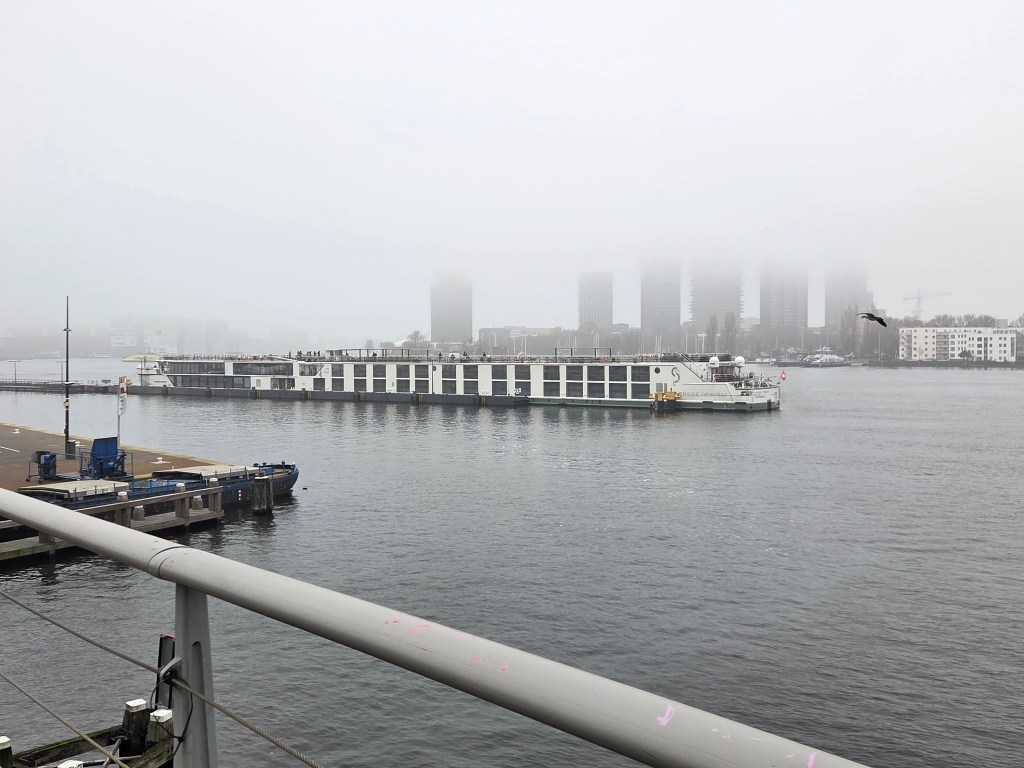
    You’re not just choosing one city. You’re figuring out which markets are worth your time, how to get between them, where to stay, and how to make the trip feel festive instead of stressful. That’s why I think a river cruise is one of the easiest ways to do it. You can visit multiple Christmas market cities without constantly changing hotels, and on some sailings, the ship is decorated for Christmas too, which makes the whole trip feel more immersive.

    If you love the idea of Christmas markets but do not want to piece together trains, transfers, and multiple hotels on your own, this is a smart way to do it.

    YOU UNPACK ONCE AND STILL SEE MULTIPLE CITIES

    This is the biggest advantage.

    Instead of moving yourself from city to city, the ship does that part for you. You unpack once, settle in, and wake up in a new place ready to explore another market.

    That alone makes the trip feel easier than planning it independently. You still get the fun of seeing multiple destinations, but without dragging luggage through train stations in December.

    IT FEELS FESTIVE ON AND OFF THE SHIP

    One thing I really like about these sailings is that the holiday atmosphere is not always limited to the ports.

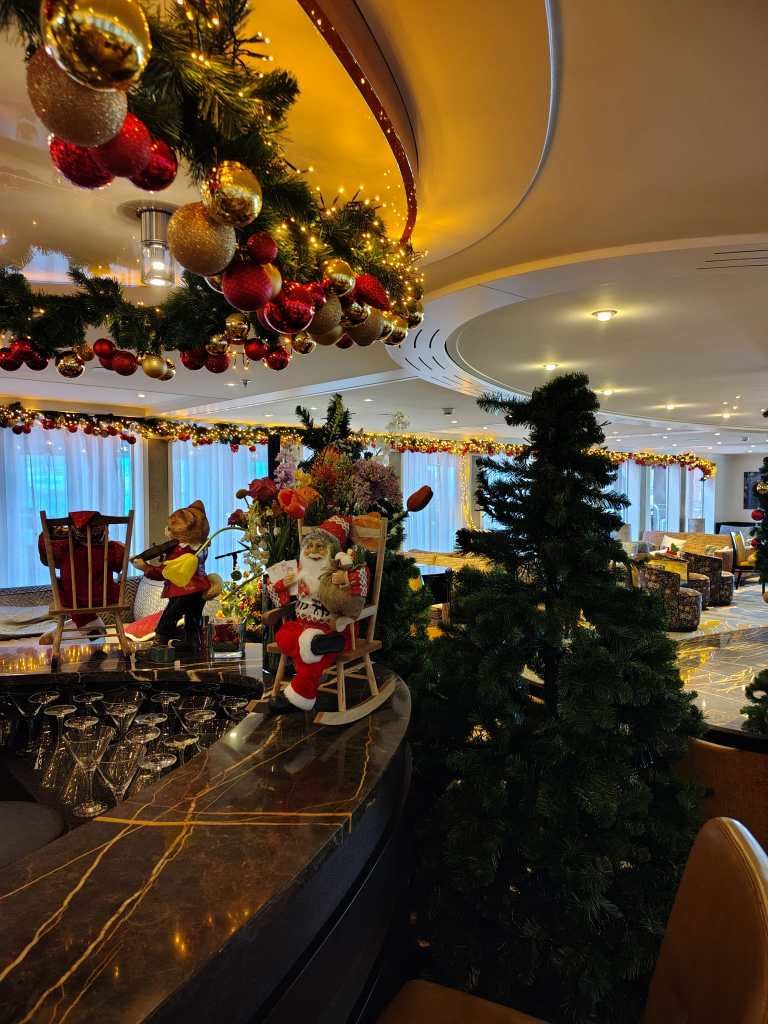
    Some ships are also decorated for Christmas, which adds to the experience in a way people do not always expect. You spend the day exploring markets, then come back to a ship that still feels seasonal and cozy.

    That makes the trip feel more like a full holiday experience, not just transportation between stops.

    THE RHINE AND DANUBE ARE GOOD PLACES TO START

    If you’re new to Christmas market river cruises, the Rhine and Danube are usually the most natural starting points.

    Those itineraries often include some of the best-known Christmas market cities and give you a good mix of festive atmosphere, sightseeing, and easy routing. The exact stops vary, which is why the itinerary matters more than just picking a river and hoping for the best.

    That’s also where planning help makes a difference. Two cruises can sound similar at first, but feel very different once you look at the actual stops and pace.

    IT IS EASIER, NOT EFFORTLESS

    I think this is important to say clearly.

    A river cruise makes Christmas markets in Europe easier, but it does not mean every decision disappears. You still need to choose the right cruise line, itinerary, and travel dates.

    Some sailings focus more on major cities. Some include smaller towns. Some feel more classic and relaxed, while others are busier or more destination-heavy.

    The point is not that you skip planning completely. The point is that the planning is much more manageable.

    IT IS A GREAT FIT FOR PEOPLE WHO WANT EUROPE WITHOUT THE HASSLE

    This kind of trip is especially good for travelers who want to see Europe at Christmas but do not want to coordinate every moving part themselves.

    It works well for people who want:

    • multiple market stops
    • less stress between destinations
    • a structured trip with some free time
    • a festive experience that still feels easy to manage

    That’s a big reason river cruises appeal to first-time Europe travelers too. You get the experience of moving through different places without the trip feeling complicated from start to finish.

    IS IT THE EASIEST WAY TO SEE CHRISTMAS MARKETS IN EUROPE?

    For a lot of travelers, I think the answer is yes.

    If you want to see multiple Christmas markets, keep the trip feeling festive, and avoid juggling hotels and transportation the whole time, a river cruise is hard to beat. And when the ship is decorated for Christmas too, that adds one more layer that makes the trip feel special.

    If you’re reading this and thinking a Christmas market river cruise sounds amazing, but you do not know which itinerary makes the most sense, that’s exactly where I come in. I can help you narrow down the right fit and handle the details so the trip feels exciting instead of overwhelming. Let me know if you want to talk through your options. I’m here to help.

  • Walt Disney World vs Disneyland: What First Timers Need to Know

    Walt Disney World vs Disneyland: What First Timers Need to Know

    One of the biggest misconceptions I see with first-time Disney travelers is this idea that Walt Disney World and Disneyland are basically the same trip.

    They’re not.

    They’re both Disney, but they feel very different once you start planning. Disneyland Resort in California has 2 theme parks, while Walt Disney World in Florida has 4 theme parks and a much larger overall resort setup. That one difference affects your park days, your walking, and your transportation.

    If you’re trying to figure out which one makes more sense for your first Disney trip, here’s what actually matters.

    THEY ARE NOT THE SAME KIND OF VACATION

    Here’s the thing. A lot of people assume Disneyland is just a smaller Walt Disney World.

    That’s not really true.

    Disneyland Resort is built around Disneyland Park and Disney California Adventure Park in Anaheim. Walt Disney World is a much bigger Orlando-area resort built around Magic Kingdom, EPCOT, Hollywood Studios, and Animal Kingdom.

    That’s why I think first-timers should stop asking which one is “better” and start asking which one fits the type of trip they actually want.

    That question is a lot more useful.

    DISNEYLAND IS MORE COMPACT

    This is usually the first difference people notice once they start looking at the logistics.

    Disneyland is simpler to navigate. You have two parks, and they’re close enough that park hopping is much easier to picture and manage.

    That compact setup can be a huge plus for first-timers.

    You’re not trying to learn a massive property. You’re not spending as much mental energy figuring out transportation. The whole trip can feel more approachable, especially if the idea of planning a Disney vacation already feels like a lot.

    WALT DISNEY WORLD IS MUCH BIGGER, AND THAT CHANGES EVERYTHING

    Walt Disney World is the opposite experience.

    It has four theme parks, multiple resort areas, and a transportation system built around getting guests around a very large property by bus, boat, monorail, and Disney Skyliner. Disney specifically describes transportation as a network connecting resort hotels, theme parks, water parks, and Disney Springs, which gives you a good sense of the scale you’re dealing with.

    Some families love that.

    It feels immersive. It feels like a full vacation bubble. Once you’re there, the whole trip revolves around Disney.

    But it also means there are more moving parts. More hotel decisions. More transportation decisions. More strategy around how you build your park days.

    That does not make Walt Disney World the wrong choice. It just means it usually takes more effort to plan well.

    THE NUMBER OF PARKS MATTERS MORE THAN PEOPLE THINK

    This sounds obvious, but the number of parks affects the entire pace of your trip.

    With Disneyland, you have two parks to work with. That makes it easier to feel like you had a full Disney experience on a shorter trip.

    With Walt Disney World, you have four parks. That gives you more variety, but it also means first-timers can end up underestimating how much time they need. Walt Disney World even markets ticket options around experiencing all four parks on separate days, which tells you how the resort is meant to be toured.

    If you only have a couple of days, Disneyland is usually easier to do well.

    If you have more time and want a bigger, more varied trip, Walt Disney World starts to make more sense.

    THE DAY-TO-DAY EXPERIENCE FEELS DIFFERENT

    This is another place where first-timers get caught off guard.

    Disneyland can feel more efficient. You can focus on two parks, get your bearings faster, and not spend as much of your day getting from place to place. That appeals to a lot of people, especially families who want Disney without making the trip feel like a giant operation.

    Walt Disney World gives you more variety from day to day because each park has its own identity. Magic Kingdom is a very different day than EPCOT. Animal Kingdom feels different from Hollywood Studios. That variety is a big part of why people love Walt Disney World, but it also means the trip naturally takes more planning and more energy.

    So when people say Walt Disney World is “more complicated,” I think that’s usually what they mean.

    It isn’t just bigger on paper. It feels bigger in practice.

    HOW MUCH TIME YOU REALLY NEED

    This is where the decision usually gets clearer.

    If you’re planning a shorter Disney trip, Disneyland is often the easier fit. Two parks are simply more manageable than four, especially for people doing Disney for the first time.

    If you’re planning a longer vacation and want the full Disney experience, Walt Disney World usually has the advantage. The four parks give you more to do and more variety, but they also require more time to enjoy without rushing.

    In general, I’d think about it this way:

    • Shorter trip – Disneyland usually makes more sense
    • Longer trip – Walt Disney World becomes more appealing
    • Already overwhelmed by planning – Disneyland often feels easier to approach first
    • Want the big, all-in Disney vacation – Walt Disney World is usually the better fit

    That’s not a hard rule, but it’s a useful starting point.

    FIRST TIMERS USUALLY DO BETTER WHEN THEY MATCH THE TRIP TO THEIR ENERGY

    I think this is the most overlooked part of the decision.

    Some people want the biggest Disney trip possible. They want the full experience, multiple parks, transportation options, resort choices, and that bigger vacation feel. Walt Disney World is usually better for that.

    Other people want a Disney trip that feels easier to get their arms around. They want less complexity, fewer transitions, and a setup that feels more manageable from the start. Disneyland is often better for that.

    Neither choice is more “correct.”

    It just depends on what kind of first trip you want.

    HOW TO THINK ABOUT IT WITHOUT OVERCOMPLICATING IT

    If you’re stuck, here’s my honest take.

    Choose Disneyland if you want your first Disney trip to feel more approachable.

    Choose Walt Disney World if you want your first Disney trip to feel bigger.

    That’s really the clearest way to say it.

    Disneyland is more compact, easier to navigate, and often a better fit for shorter trips. Walt Disney World offers more parks, more variety, and a more immersive vacation setup, but it also asks more of you from a planning standpoint.

    If you’re reading this and thinking, “I still don’t know which one makes the most sense for us,” that’s exactly where I come in. I can help you sort through the options, narrow down the right fit, and handle the details so you don’t have to spend hours trying to piece it all together. Let me know if you want to talk through your options. I’m here to help.

  • 10 Things I’ve Learned in 10 Years of Planning Travel for Others

    10 Things I’ve Learned in 10 Years of Planning Travel for Others

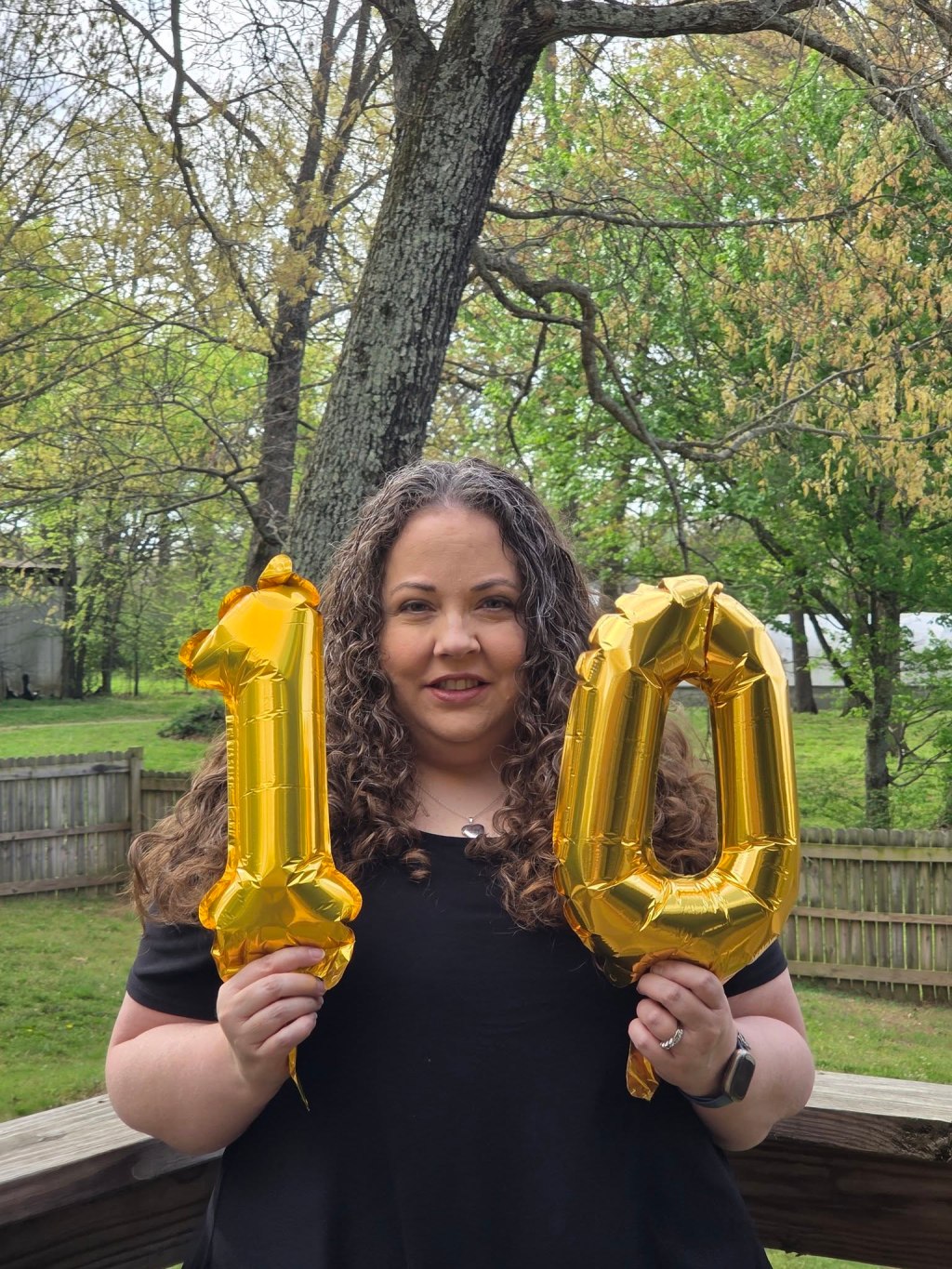
    I’ve been planning travel for clients for 10 years now. Disney vacations, all-inclusive resorts, river cruises, ocean cruises, theme parks – I’ve booked thousands of trips and learned something new from almost every single one.

    Some of these lessons came from client feedback. Some came from mistakes I made early on. Some I didn’t fully understand until I’d been doing this for years. But all of them have shaped how I work with clients today and what I think actually matters when you’re planning someone else’s vacation.

    Here’s what a decade of doing this has taught me.

    1. People don’t want more options, they want the right option

    Early on, I thought my job was to present clients with every possible choice. Here are five resorts. Here are three dining plans. Here are all the room categories.

    What I learned: that’s overwhelming. Most people reach out because they’re already drowning in options. They don’t need me to add to the pile. They need me to narrow it down based on what they actually want and recommend the option that fits.

    Now I ask the right questions upfront, then present one or two strong recommendations with a clear reason why. It’s faster for them and leads to better decisions.

    2. The details people worry about are rarely the ones that matter

    Clients will spend 30 minutes agonizing over whether to book a garden view or a pool view room. Then they’ll forget to mention they have a kid with a severe food allergy.

    I get it. It’s hard to know what’s actually important when you’re not the expert. But I’ve learned to ask specific questions about the stuff that will actually impact their trip: mobility issues, dietary restrictions, travel pace preferences, budget realities.

    The view is nice. The details that affect how the trip actually functions matter more.

    3. Disney planning has gotten exponentially more complex

    When I started, Disney planning was already detail-heavy. But over the last 10 years, it’s become a whole different animal. Genie+, Lightning Lane, mobile ordering, virtual queues, park reservation systems-it changes constantly, and it’s a lot for families to keep up with.

    I’ve learned that my job isn’t just to book the trip. It’s to translate the current system into something that makes sense for my clients and give them a plan they can actually use. That’s become one of the most valuable parts of what I do for Disney clients.

    4. All-inclusive doesn’t mean no decisions

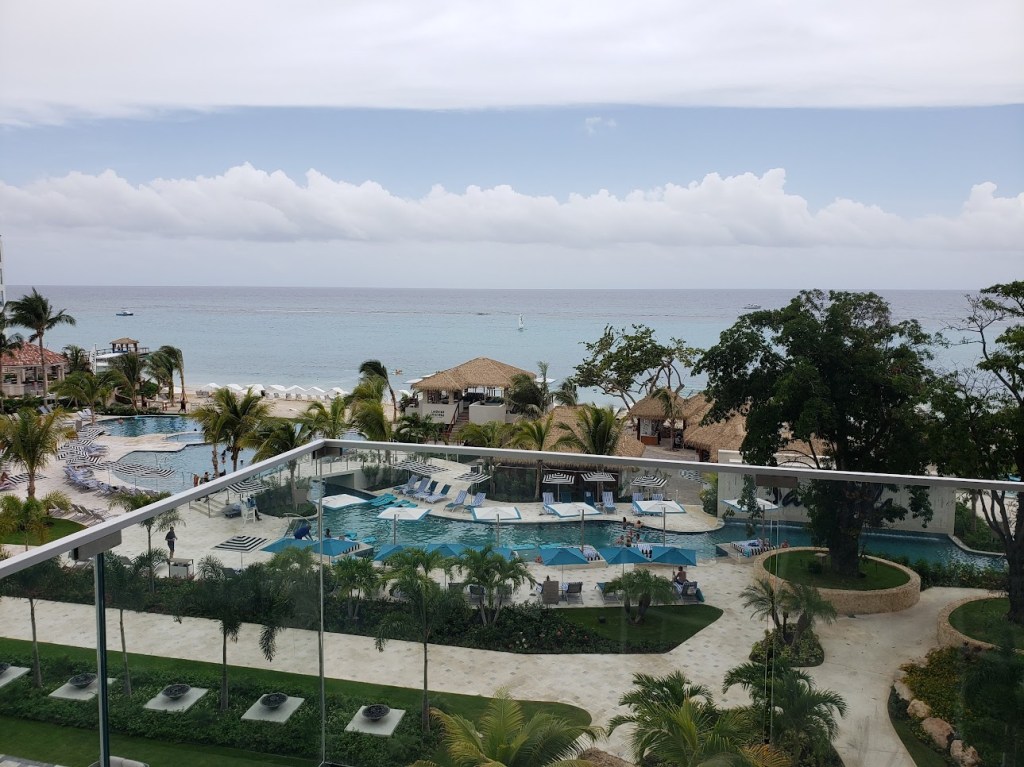
    A lot of clients think booking an all-inclusive resort means they don’t have to think about anything. And while that’s partly true, there are still choices that matter: which resort, which room category, whether to add excursions, how to handle airport transfers.

    I’ve learned to set expectations upfront. Yes, all-inclusive takes a lot of decisions off the table once you’re there. But we still need to pick the right resort for your group, and that requires some input from you.

    When clients understand that, the planning process goes a lot smoother.

    5. River cruises are for more people than you’d think

    For years, I assumed river cruises were only for retirees or people who’d already done a ton of international travel. What I’ve learned: they’re actually a great fit for a much wider range of travelers.

    First-time Europe travelers who feel overwhelmed by planning. Families who want to see multiple cities without constantly packing and unpacking. People who like structure but also want some flexibility. River cruises solve a lot of problems that other types of trips don’t.

    I wish I’d started recommending them earlier in my career.

    6. The clients who trust you are the ones who have the best trips

    I can plan an incredible itinerary, but if a client second-guesses every recommendation or books things on their own without telling me, it usually leads to problems.

    The clients who have the smoothest, most enjoyable trips are the ones who communicate what they want, trust my expertise, and let me do what I do best. That doesn’t mean they can’t ask questions or have preferences, of course they should. But there’s a difference between being involved and micromanaging.

    I’ve learned to recognize early on whether someone’s a good fit for how I work. It saves both of us time and frustration.

    7. On-trip support matters, but boundaries do too

    In the first few years, I thought my job ended when the client left for their trip. I was available if something went wrong, but I didn’t see on-trip support as a core part of the service.

    What I’ve learned: being available during the trip matters. But it’s also important to set clear expectations about what I can help with and what clients should handle directly.

    If something goes wrong before they arrive maybe a flight delay that affects their whole itinerary or a resort reservation that didn’t go through correctly, I’m here to help sort it out. But once they’ve checked in, issues with the resort itself should go to the front desk first. Same with airline issues during travel-they’ll get faster help calling the airline directly than routing through me.

    Now I make sure clients know when to reach out to me and when to handle something on-site. It’s one of the things that helps trips run smoother and keeps everyone’s expectations clear.

    8. You can’t be everything to everyone

    When I started, I said yes to almost every type of trip. Safaris, backpacking itineraries, multi-city European tours: if someone asked, I’d try to plan it.

    What I learned: I’m better at some types of travel than others. And my clients get better results when I focus on the kinds of trips I know inside and out.

    Now I specialize in Disney vacations, all-inclusive resorts, and river cruises. I’m confident in those areas, I know the ins and outs, and I can give clients the kind of detailed guidance that actually makes a difference. Saying no to trips outside my wheelhouse has made me better at the ones I do take on.

    9. Communication is everything

    This job is as much about communication as it is about travel knowledge. Responding quickly. Checking in at the right times. Explaining things clearly. Making sure clients feel like they know what’s happening.

    I came from teaching, so I was already used to breaking down complex information and making people feel supported. But I’ve learned that in this industry, communication is what separates a fine experience from a great one.

    Clients don’t just want a good itinerary. They want to feel taken care of. And that comes down to how you communicate with them.

    10. Most people don’t need to DIY their travel planning

    Here’s the thing I’ve become more convinced of over time: most people are not saving money or having a better experience by planning their own trips. They’re spending hours researching, second-guessing their choices, and often making mistakes that cost them time or money on the actual trip.

    If you wouldn’t build your own website or do your own taxes, why would you spend 20 hours planning a vacation when someone else can do it better in a fraction of the time?

    I get that some people enjoy the planning process. But for most of my clients, handing it off to someone who knows what they’re doing is the smartest move they make.

    What I’d tell myself 10 years ago

    If I could go back and talk to myself when I was just starting out, I’d say: ask better questions upfront, specialize sooner, and don’t underestimate how much communication matters.

    But honestly, some of this stuff you just have to learn by doing. Every client teaches you something. Every trip that doesn’t go perfectly shows you what to adjust next time.

    That’s what 10 years gets you, not perfection, but a lot of reps. And those reps make a difference.


    Want to stop planning your own trips?

    If you’re tired of spending hours researching and just want someone to handle it, that’s what I’m here for. I plan Disney vacations, all-inclusive trips, and river cruises so you don’t have to.

    Let me know if you’re ready to talk through your next trip. I’m here to help.

  • 7 Reasons to Love River Cruises

    7 Reasons to Love River Cruises

    River cruising has quickly become one of the most popular ways to experience Europe—and it’s easy to see why!

    If you’ve ever felt overwhelmed planning a European trip or wished you had backpacked through Europe in your younger adult years, this might be the solution you needed.

    1. You Only Unpack Once

    One of the biggest stressors of European travel is constantly moving—hotels, trains, taxis, packing, unpacking… repeat.

    On a river cruise, your ship is your hotel.

    You settle in once, and the ship takes you where you need to go. It’s one of the simplest ways to make a multi-country trip feel super effortless.


    2. You Dock in the Heart of Destinations

    Unlike ocean cruises that sometimes require long transfers, river ships dock right in the center of cities and towns.

    That means:

    • You can walk straight into town
    • Very few long bus rides
    • More time exploring, less time commuting

    This alone completely changes the travel experience.


    3. It’s Incredibly Easy to Navigate Europe

    Europe can feel intimidating—different languages, different currency, different transportation systems.

    River cruising removes a lot of that intimidation.

    Your transportation, accommodations, and daily plans are handled for you, so you can focus on enjoying the experience instead of managing logistics.


    4. Guided Experiences Are Built In

    Most river cruises include daily excursions, which means you don’t have to:

    • Research what to do
    • Book tours separately
    • Worry about missing key highlights

    You’ll explore each destination with knowledgeable local guides, often with multiple pace options to match your comfort level and activity level in addition to your interests.


    5. The Scenery Is Part of the Journey

    This is something that surprises a lot of first-time cruisers.

    You’re not just visiting destinations—you’re traveling through them.

    Think:

    • Castles lining the riverbanks
    • Vineyards rolling into the distance
    • Charming villages you’d never find on your own

    Some of the most memorable moments happen while you’re relaxing onboard.


    6. The Experience Feels Elevated—but Not Stuffy

    River cruises strike a unique balance:

    • Upscale but not stuffy
    • Structured but not rigid
    • Relaxed but still immersive

    You won’t find massive crowds, casinos, or constant noise. Instead, it feels more like a boutique hotel experience with exceptional service.


    7. It’s One of the Least Stressful Ways to Travel

    This is the reason most clients fall in love with river cruising.

    Everything is handled!

    • Where you’re going
    • How you’ll get there
    • What you’ll do when you arrive
    • Where you’ll eat
    • Where you’ll sleep

    You’re not constantly planning or problem-solving—you’re just experiencing.


    Final Thoughts

    If you’re looking for a way to experience Europe without the overwhelm, river cruising offers a level of ease that’s hard to match.

    It’s not just a vacation—it’s a smarter way to travel.

  • A Day in the Life of a River Cruiser

    A Day in the Life of a River Cruiser

    Ever wondered what a typical day on a river cruise actually looks like?

    Spoiler alert: it’s the perfect balance of structure and flexibility.

    Here’s how your day might unfold:

    Morning:

    You wake up to views of a new destination—maybe vineyards along the Rhine or castles in the distance on the Danube.

    Breakfast is relaxed and unhurried, with options ranging from fresh pastries to made-to-order eggs.

    No rushing. No chaos. And plenty of fresh coffee.

    Mid-Morning: Guided Exploration

    Most river cruises include guided excursions in each port.

    You might:

    • Walk through a medieval town with a local guide
    • Tour a historic castle
    • Bike through scenic countryside

    And the best part? You can choose your pace—active, moderate, or leisurely.

    Afternoon: Free Time or Onboard Relaxation

    After your excursion, you have options:

    • Continue exploring on your own
    • Return to the ship for lunch
    • Relax on the sun deck with a drink in hand

    This is where river cruising really shines—you’re never forced into a rigid schedule.

    Evening: Effortless Evenings

    Dinner is typically a multi-course experience featuring regional cuisine and wine.

    Afterward, you might enjoy:

    • Live music
    • Cultural performances
    • A quiet nightcap

    Or simply head to bed early—because tomorrow brings a new destination.

    The Best Part

    There’s no packing, no transportation stress, and no constant planning.

    You just… show up and enjoy.

  • What I Learned at the ASTA River Cruise Expo

    What I Learned at the ASTA River Cruise Expo

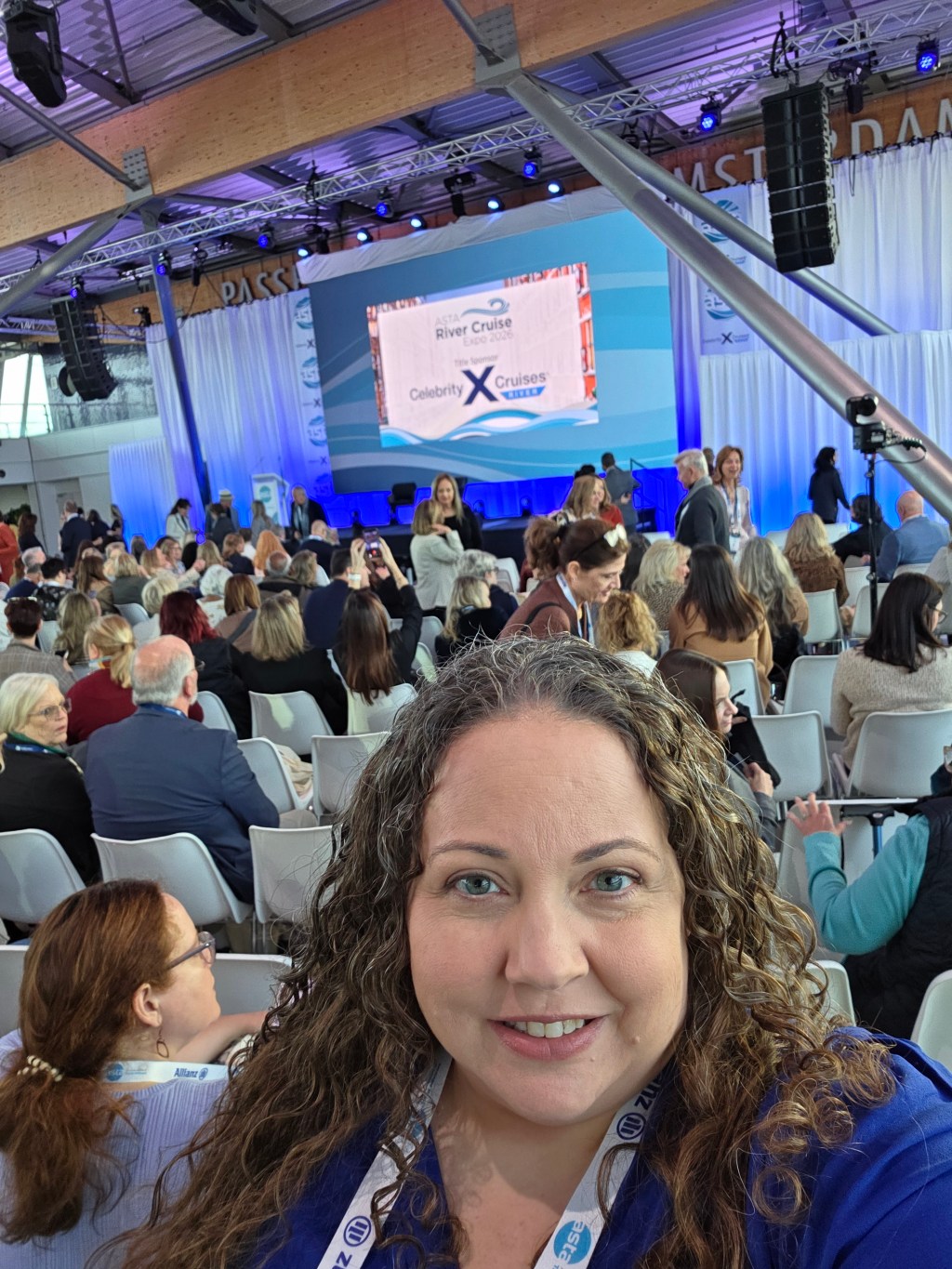
    If you’ve ever wondered if river cruising is actually worth it, I just got back from the ASTA River Cruise Expo—and I have so many thoughts.

    After touring multiple ships, attending in-depth trainings, and speaking directly with cruise line representatives, one thing became very clear: river cruising is one of the most underrated ways to explore Europe and one of the most valuable.

    Here are the three things that stood out most:

    1. Not All River Cruises Are Created Equal

    Before this expo, I knew the basics and knew several brands—but seeing ships side by side made some of the differences very real.

    Some lines focus on luxury and inclusions (with butler service, premium wines, and spacious suites), and others prioritize value, cultural immersion, or activity. The right choice depends entirely on your travel style—not just your budget.

    2. The “All-Inclusive” Factor Is a Game Changer

    River cruises remove the constant decision-making and planning that can make travel in Europe feel overwhelming.

    Depending on the cruise line, your river cruise may include:

    • Shore excursions in every port
    • Wine and beer with meals
    • Airport transfers
    • Wi-Fi
    • Gratuities

    That means fewer surprise costs—and a much more relaxing experience.

    3. The Ships Themselves Are Part of the Experience

    River cruise ships aren’t mega ships with casinos and crowds. They are intimate, typically carrying 100–200 guests.

    What that means for you:

    • No long lines
    • Personalized service
    • A quieter, more refined atmosphere

    It feels more like a boutique hotel that moves with you.

    4. River Cruisers See Europe Differently

    Instead of rushing between big cities, you wake up in a new destination almost every day—most often docked right in the heart of town.

    No packing and unpacking. No train schedules. No logistical stress. The biggest decision is what to eat at each meal.

    5. River Cruising is Ideal for Travelers Who Want Ease

    River cruising is perfect for travelers who:

    • Want a well-planned experience
    • Don’t have time to research every detail
    • Still want meaningful cultural experiences

    Final Thoughts

    After attending the expo, I can confidently say this: river cruising isn’t just a vacation—it’s a strategy for seeing Europe in a smarter, more enjoyable way.

    If you’ve been curious, this is your sign to look into it more seriously.

  • Europe

    Europe

    Planning a Europe trip is incredibly rewarding — but timing is everything. Unlike cruises or all-inclusive resorts, Europe travel requires coordinating multiple moving parts, which makes advance planning essential.

    For most travelers, the ideal planning window is 9–15 months in advance. This timeline allows access to centrally located hotels, better flight routing, and thoughtfully designed itineraries. Popular cities and regions — especially in summer — book far in advance, and waiting often means settling for less desirable locations or pacing.

    Early planning also allows for balance. Instead of trying to “see everything,” travelers can build itineraries that leave room for rest, discovery, and flexibility. It’s the difference between checking boxes and truly experiencing a destination.

    While last-minute Europe trips are possible, they often require compromises in comfort, cost, or logistics. When planned well, Europe travel feels seamless — and that seamlessness starts long before departure.

  • All Inclusives

    All Inclusives

    All-inclusive resorts are designed to make vacation planning easier — but the term “all-inclusive” can be misleading if you don’t know what to look for. While these resorts generally include meals, snacks, drinks, and on-property activities, the level of inclusion varies widely by brand and resort tier.

    Most all-inclusive resorts cover buffet dining, casual restaurants, house alcohol, pools, beach access, and non-motorized water sports. However, many travelers are surprised to learn that specialty dining, spa services, excursions, motorized activities, premium alcohol, and even certain entertainment experiences may cost extra.

    This is where understanding your travel style becomes critical. If you envision daily spa treatments, gourmet dining, and top-shelf cocktails, a higher-end resort may actually provide better overall value. On the other hand, if your ideal vacation involves relaxing by the pool, enjoying casual meals, and unplugging, a simpler resort may be perfect.

    Another factor to consider is resort atmosphere. Family-friendly and adults-only resorts offer very different experiences — even at the same price point. Choosing based solely on cost can lead to mismatched expectations.

    The goal of an all-inclusive vacation isn’t just convenience — it’s value. When you understand what’s included and select a resort that aligns with how you relax, the experience feels effortless instead of confusing.

  • Are River Cruises for Old People?

    Are River Cruises for Old People?

    “Are river cruises for old people?” It’s a question many travelers quietly ask — and the answer is no. River cruising attracts travelers of all ages who share one thing in common: a love for immersive, culturally rich travel.

    River cruises differ significantly from ocean cruises. Ships are smaller, ports are centrally located, and itineraries focus on depth rather than volume. Instead of megaships and packed attractions, travelers enjoy guided city walks, local cuisine, wine tastings, and scenic sailing through historic regions.

    Because river ships dock right in town, travelers avoid long transfers and spend more time exploring. Many cruise lines now offer active excursions like biking, hiking, and kayaking, as well as family sailings during peak travel seasons.

    River cruises appeal to couples, professionals, and multigenerational families who want a relaxed but enriching experience. The atmosphere is calm, social, and focused on discovery rather than entertainment.

    The misconception about age likely comes from the slower pace — but slower doesn’t mean boring. It means intentional. River cruising is for travelers who value experiences over crowds and stories over schedules.