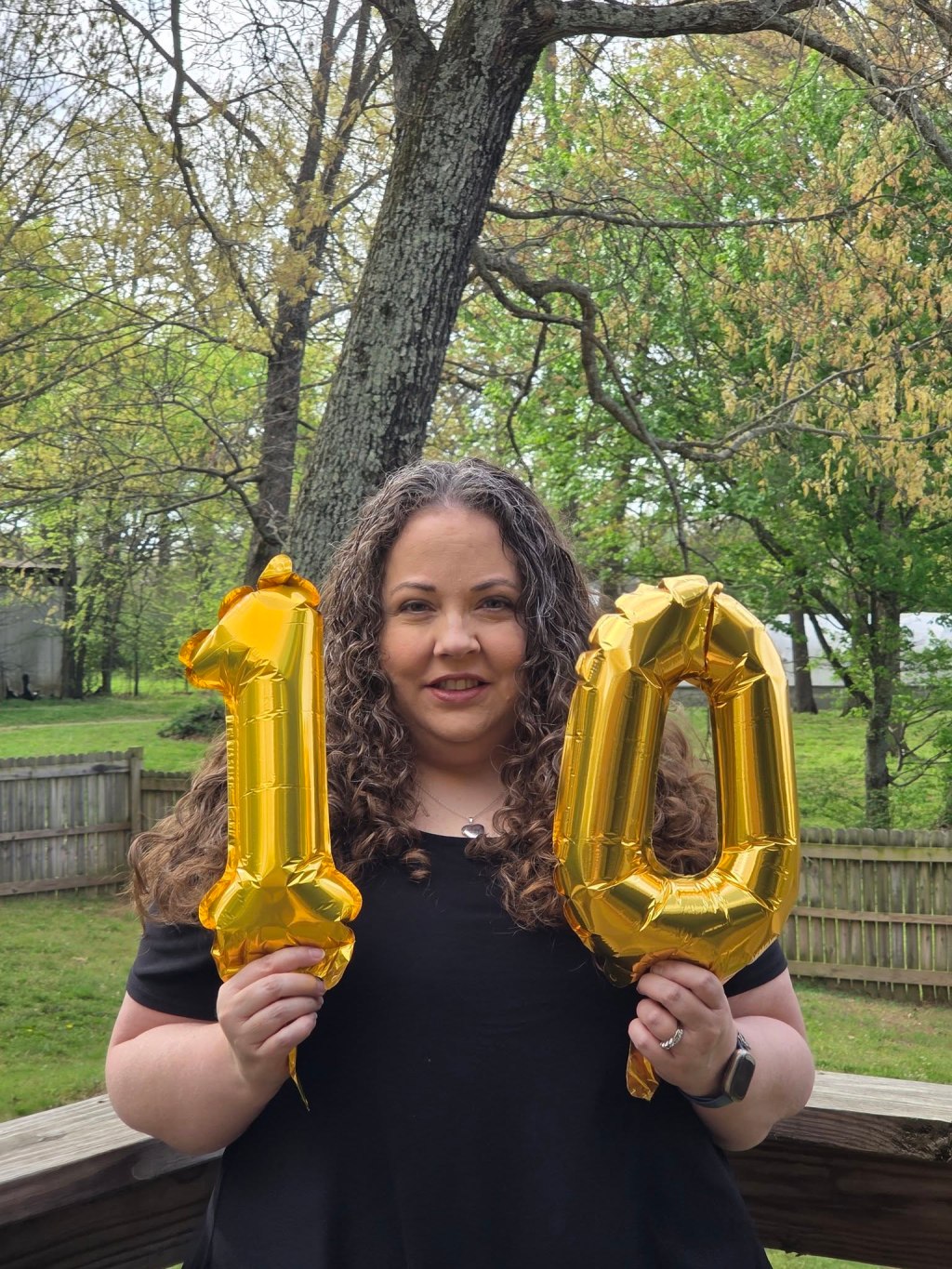
I’ve been planning travel for clients for 10 years now. Disney vacations, all-inclusive resorts, river cruises, ocean cruises, theme parks – I’ve booked thousands of trips and learned something new from almost every single one.
Some of these lessons came from client feedback. Some came from mistakes I made early on. Some I didn’t fully understand until I’d been doing this for years. But all of them have shaped how I work with clients today and what I think actually matters when you’re planning someone else’s vacation.
Here’s what a decade of doing this has taught me.
1. People don’t want more options, they want the right option
Early on, I thought my job was to present clients with every possible choice. Here are five resorts. Here are three dining plans. Here are all the room categories.
What I learned: that’s overwhelming. Most people reach out because they’re already drowning in options. They don’t need me to add to the pile. They need me to narrow it down based on what they actually want and recommend the option that fits.
Now I ask the right questions upfront, then present one or two strong recommendations with a clear reason why. It’s faster for them and leads to better decisions.
2. The details people worry about are rarely the ones that matter
Clients will spend 30 minutes agonizing over whether to book a garden view or a pool view room. Then they’ll forget to mention they have a kid with a severe food allergy.
I get it. It’s hard to know what’s actually important when you’re not the expert. But I’ve learned to ask specific questions about the stuff that will actually impact their trip: mobility issues, dietary restrictions, travel pace preferences, budget realities.
The view is nice. The details that affect how the trip actually functions matter more.
3. Disney planning has gotten exponentially more complex
When I started, Disney planning was already detail-heavy. But over the last 10 years, it’s become a whole different animal. Genie+, Lightning Lane, mobile ordering, virtual queues, park reservation systems-it changes constantly, and it’s a lot for families to keep up with.
I’ve learned that my job isn’t just to book the trip. It’s to translate the current system into something that makes sense for my clients and give them a plan they can actually use. That’s become one of the most valuable parts of what I do for Disney clients.
4. All-inclusive doesn’t mean no decisions
A lot of clients think booking an all-inclusive resort means they don’t have to think about anything. And while that’s partly true, there are still choices that matter: which resort, which room category, whether to add excursions, how to handle airport transfers.
I’ve learned to set expectations upfront. Yes, all-inclusive takes a lot of decisions off the table once you’re there. But we still need to pick the right resort for your group, and that requires some input from you.
When clients understand that, the planning process goes a lot smoother.
5. River cruises are for more people than you’d think
For years, I assumed river cruises were only for retirees or people who’d already done a ton of international travel. What I’ve learned: they’re actually a great fit for a much wider range of travelers.
First-time Europe travelers who feel overwhelmed by planning. Families who want to see multiple cities without constantly packing and unpacking. People who like structure but also want some flexibility. River cruises solve a lot of problems that other types of trips don’t.
I wish I’d started recommending them earlier in my career.
6. The clients who trust you are the ones who have the best trips
I can plan an incredible itinerary, but if a client second-guesses every recommendation or books things on their own without telling me, it usually leads to problems.
The clients who have the smoothest, most enjoyable trips are the ones who communicate what they want, trust my expertise, and let me do what I do best. That doesn’t mean they can’t ask questions or have preferences, of course they should. But there’s a difference between being involved and micromanaging.
I’ve learned to recognize early on whether someone’s a good fit for how I work. It saves both of us time and frustration.
7. On-trip support matters, but boundaries do too
In the first few years, I thought my job ended when the client left for their trip. I was available if something went wrong, but I didn’t see on-trip support as a core part of the service.
What I’ve learned: being available during the trip matters. But it’s also important to set clear expectations about what I can help with and what clients should handle directly.
If something goes wrong before they arrive maybe a flight delay that affects their whole itinerary or a resort reservation that didn’t go through correctly, I’m here to help sort it out. But once they’ve checked in, issues with the resort itself should go to the front desk first. Same with airline issues during travel-they’ll get faster help calling the airline directly than routing through me.
Now I make sure clients know when to reach out to me and when to handle something on-site. It’s one of the things that helps trips run smoother and keeps everyone’s expectations clear.
8. You can’t be everything to everyone
When I started, I said yes to almost every type of trip. Safaris, backpacking itineraries, multi-city European tours: if someone asked, I’d try to plan it.
What I learned: I’m better at some types of travel than others. And my clients get better results when I focus on the kinds of trips I know inside and out.
Now I specialize in Disney vacations, all-inclusive resorts, and river cruises. I’m confident in those areas, I know the ins and outs, and I can give clients the kind of detailed guidance that actually makes a difference. Saying no to trips outside my wheelhouse has made me better at the ones I do take on.
9. Communication is everything
This job is as much about communication as it is about travel knowledge. Responding quickly. Checking in at the right times. Explaining things clearly. Making sure clients feel like they know what’s happening.
I came from teaching, so I was already used to breaking down complex information and making people feel supported. But I’ve learned that in this industry, communication is what separates a fine experience from a great one.
Clients don’t just want a good itinerary. They want to feel taken care of. And that comes down to how you communicate with them.
10. Most people don’t need to DIY their travel planning
Here’s the thing I’ve become more convinced of over time: most people are not saving money or having a better experience by planning their own trips. They’re spending hours researching, second-guessing their choices, and often making mistakes that cost them time or money on the actual trip.
If you wouldn’t build your own website or do your own taxes, why would you spend 20 hours planning a vacation when someone else can do it better in a fraction of the time?
I get that some people enjoy the planning process. But for most of my clients, handing it off to someone who knows what they’re doing is the smartest move they make.
What I’d tell myself 10 years ago
If I could go back and talk to myself when I was just starting out, I’d say: ask better questions upfront, specialize sooner, and don’t underestimate how much communication matters.
But honestly, some of this stuff you just have to learn by doing. Every client teaches you something. Every trip that doesn’t go perfectly shows you what to adjust next time.
That’s what 10 years gets you, not perfection, but a lot of reps. And those reps make a difference.
Want to stop planning your own trips?
If you’re tired of spending hours researching and just want someone to handle it, that’s what I’m here for. I plan Disney vacations, all-inclusive trips, and river cruises so you don’t have to.
Let me know if you’re ready to talk through your next trip. I’m here to help.

